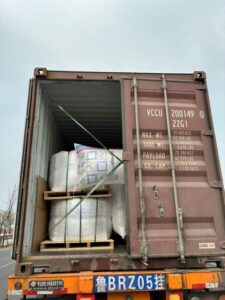

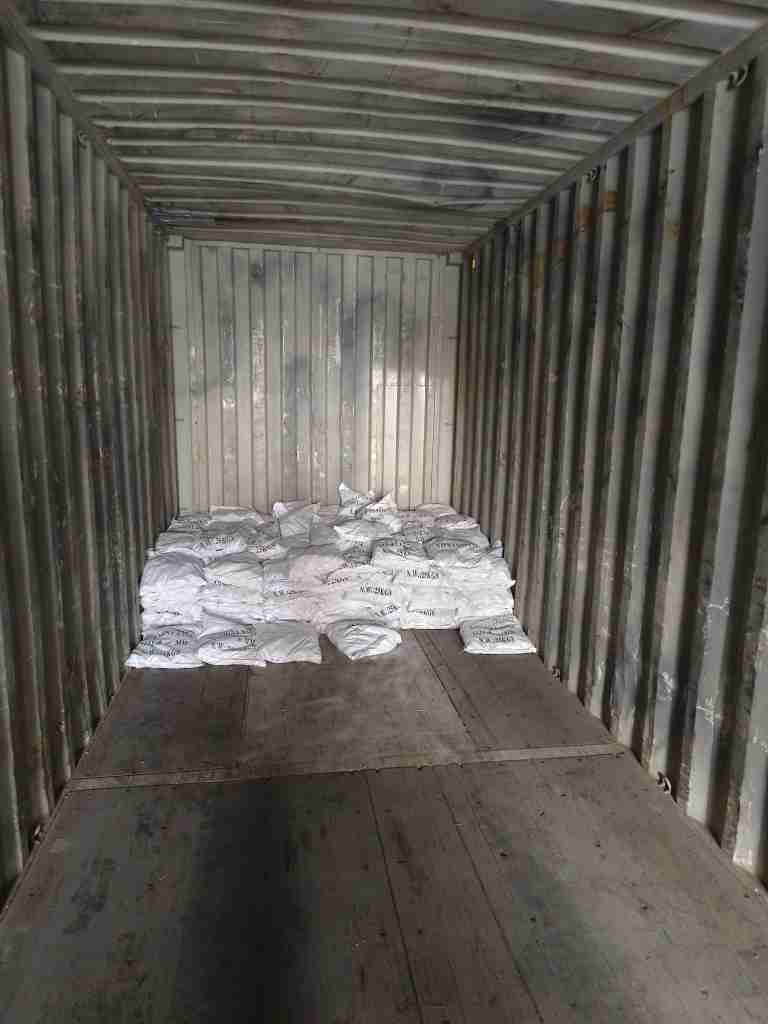
On Feb 15th, 20MT high alumina grinding balls was loaded well to Uzbekistan in Zhongci ceramic factory.
- Introduction to High Alumina Grinding Balls
- 1. Overview High alumina grinding balls are a type of grinding media used extensively in ball mills, pot mills, and vibratory mills. They are manufactured from high-grade superfine alumina powder, calcined at high temperatures (often exceeding 1500°C) in tunnel kilns. Characterized by their exceptional hardness, high density, and superior wear resistance, these balls are essential components in industries requiring fine grinding and dispersion of materials without contamination.
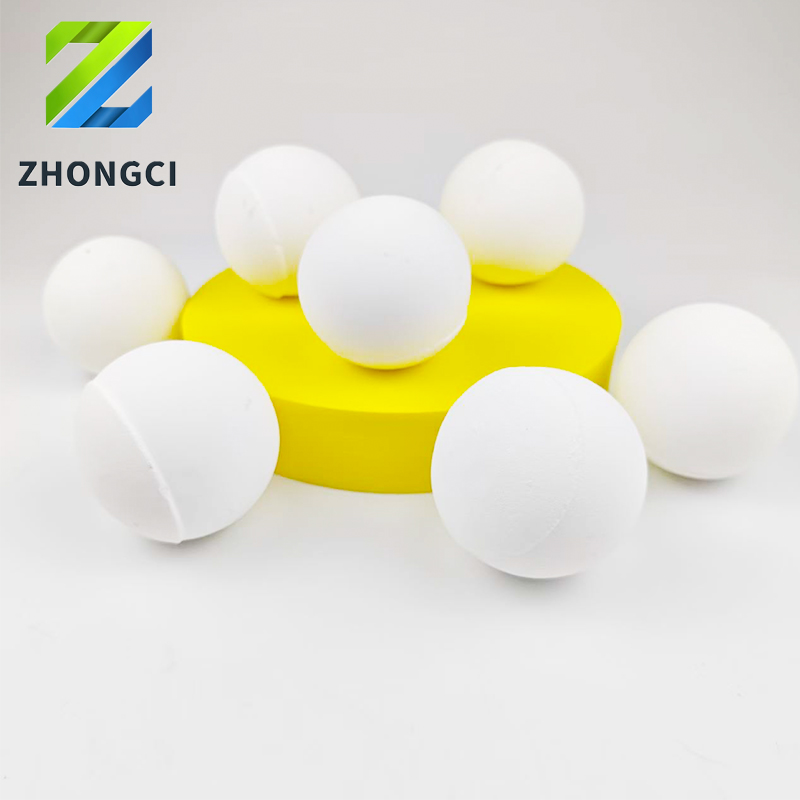
2. Composition and Manufacturing
The primary component of these grinding balls is aluminum oxide (Al₂O₃). The term “high alumina” typically refers to an alumina content ranging from 90% to 99%, with 92% and 95% being the most common industrial standards.
The production process involves:
- Raw Material Selection: Using high-purity alumina powder.
- Shaping: Techniques such as isostatic pressing or rolling are used to form the balls, ensuring uniform density.
- Sintering: The balls are fired at high temperatures, resulting in a dense, ceramic matrix with a compact microstructure.
- High Hardness: With a Mohs hardness of 9 (approaching that of diamond), they effectively grind hard materials.
- High Density: The high specific gravity (usually between 3.50 and 3.70 g/cm³) increases the impact force during the milling process, improving grinding efficiency.
- Superior Wear Resistance: They exhibit an extremely low wear rate. This longevity reduces the frequency of replenishing the media, lowering operational costs.
- Chemical Stability: They are inert and resistant to corrosion from acids and alkalis (except hydrofluoric acid and strong alkali solutions). This ensures they do not react with the material being ground.
- Low Contamination: Unlike steel balls, high alumina balls do not introduce iron impurities into the product. This is critical for industries where product purity is paramount, such as electronic ceramics and high-grade white cement.
3. Key Characteristics
High alumina grinding balls offer several distinct advantages over traditional grinding media (such as natural flint pebbles or steel balls):
4. Applications Due to their properties, high alumina grinding balls are widely used across various sectors:
- Ceramics Industry: For grinding glazes, engobes, and ceramic bodies.
- Mining and Minerals: For grinding kaolin, feldspar, quartz, and other non-metallic minerals.
- Paints and Coatings: For dispersing pigments and achieving fine particle sizes.
- Electronics: In the production of magnetic materials and electronic ceramic components.
- Pharmaceuticals and Chemicals: For grinding high-purity chemical powders.
5. Conclusion High alumina grinding balls represent a high-performance, cost-effective solution for fine grinding applications. Their ability to minimize contamination while maximizing grinding efficiency makes them the preferred choice for modern industrial processing. By selecting the appropriate alumina content and size, manufacturers can significantly optimize their milling operations and improve the quality of their final products.