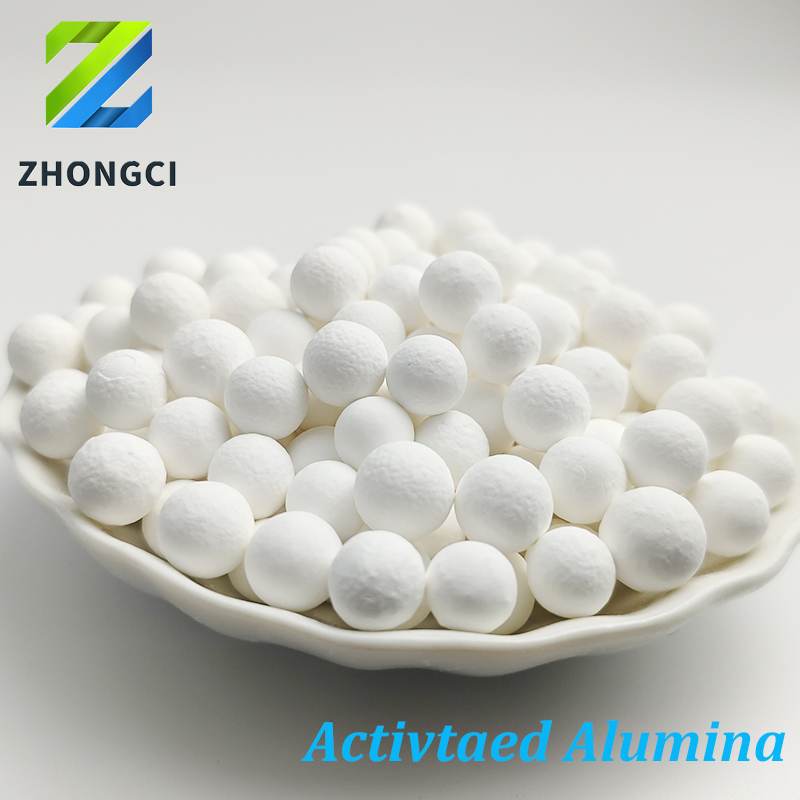
Overview of High Strength Activated Alumina
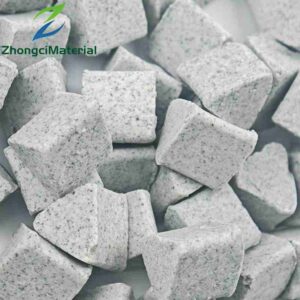
Activated alumina, with the chemical formula Al₂O₃·nH₂O, is a versatile adsorbent and catalyst carrier known for its high porosity, strong adsorption capacity, and thermal stability. The “high strength” variant is engineered to withstand mechanical stress and harsh operating conditions, making it suitable for industrial applications requiring durability. 1/8” (approximately 3.175mm) activated alumina is commonly used, falling within the typical size range of 12mm, 23mm, 3~5mm, etc., offered by manufacturers .
Key Characteristics and Specifications
- Chemical Composition: Primarily composed of aluminum oxide (Al₂O₃) with varying degrees of hydration.
- Physical Properties:
- Color: White.
- Shape: Spherical (as indicated by “ball desiccant” in product descriptions).
- Size: 1/8” (3~5mm category).
- Certifications: Typically meets industry standards for adsorbents and catalyst carriers.
- Performance Traits:
- High mechanical strength to resist crushing during handling and operation.
- Excellent adsorption capacity for moisture, gases, and liquids.
- Thermal stability, enabling use in high-temperature applications.
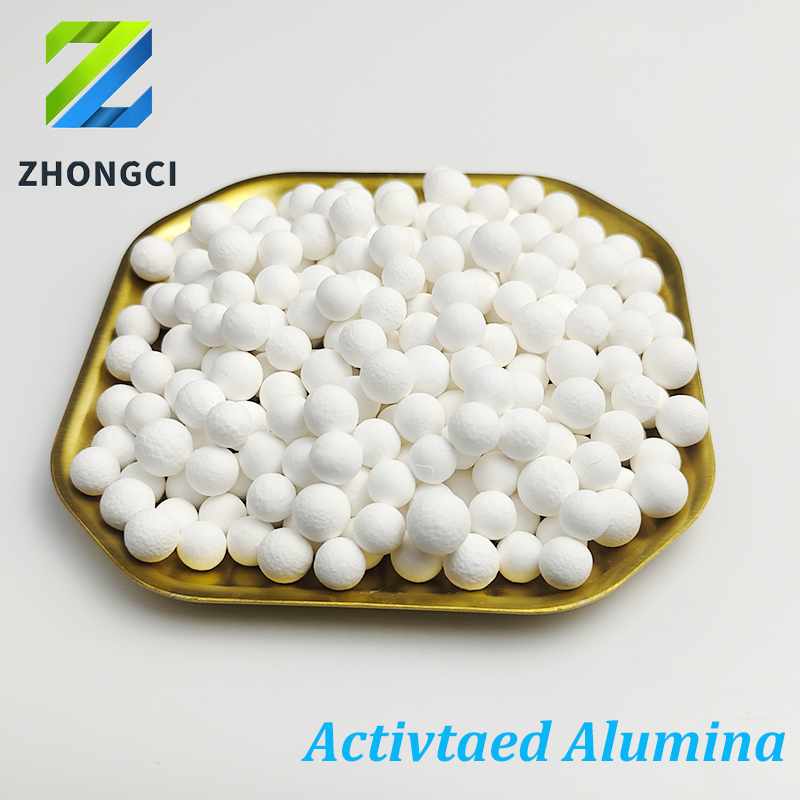
Industrial Applications
- Drying Agent: Used for drying compressed air, natural gas, and other gas/liquid streams due to its strong hygroscopic properties.
- Catalyst Carrier: Serves as a support for catalysts in chemical reactions, leveraging its high surface area and stability.
- Water Treatment: Employed in defluorination processes to remove fluoride ions from water supplies.
- Refractory Materials: Incorporated into corundum castable to enhance high-temperature performance and mechanical strength.
Product Availability and Packaging
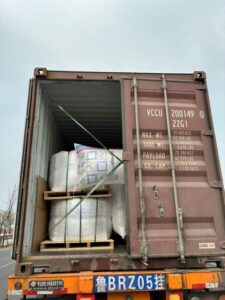
- Supply Capacity: Manufacturers like Zhongci offer annual production capacities up to 12,000 metric tons.
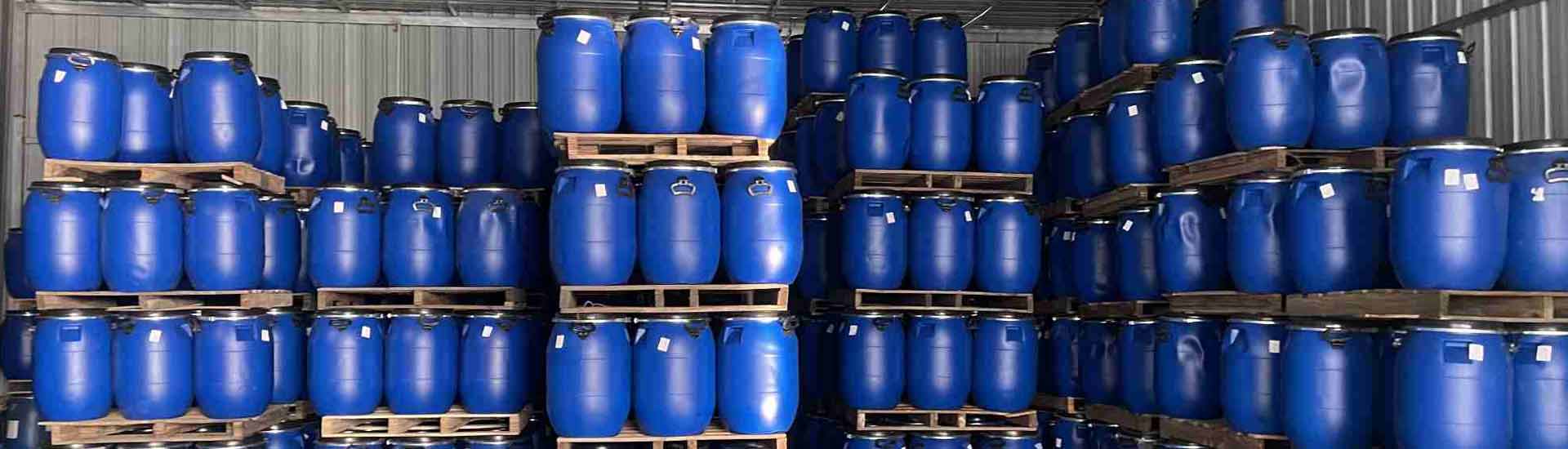
- Packaging Options:
- 25kg plastic bags.
- 800kg supersacks.
- 150kg steel drums.
- Lead Time: Typically 30 days for standard orders, with negotiation possible for large quantities.
- Sample Availability: Samples are available at a cost (e.g., $5.00/kilogram).
Research and Development Trends
Recent studies focus on advancing activated alumina’s structural understanding and performance. For example, machine learning interatomic potentials (MLIP) are being used to explore the energy landscape of alumina, aiding in the design of new phases with tailored properties for specific applications. Additionally, research into its use in high-strength adhesives and advanced refractories continues to expand its industrial relevance.
Conclusion
High strength 1/8” activated alumina is a critical material in industries ranging from gas purification to water treatment, valued for its durability, adsorption efficiency, and versatility. Ongoing research and development efforts, coupled with robust manufacturing capabilities, ensure its continued prominence in current and emerging applications.