
描述
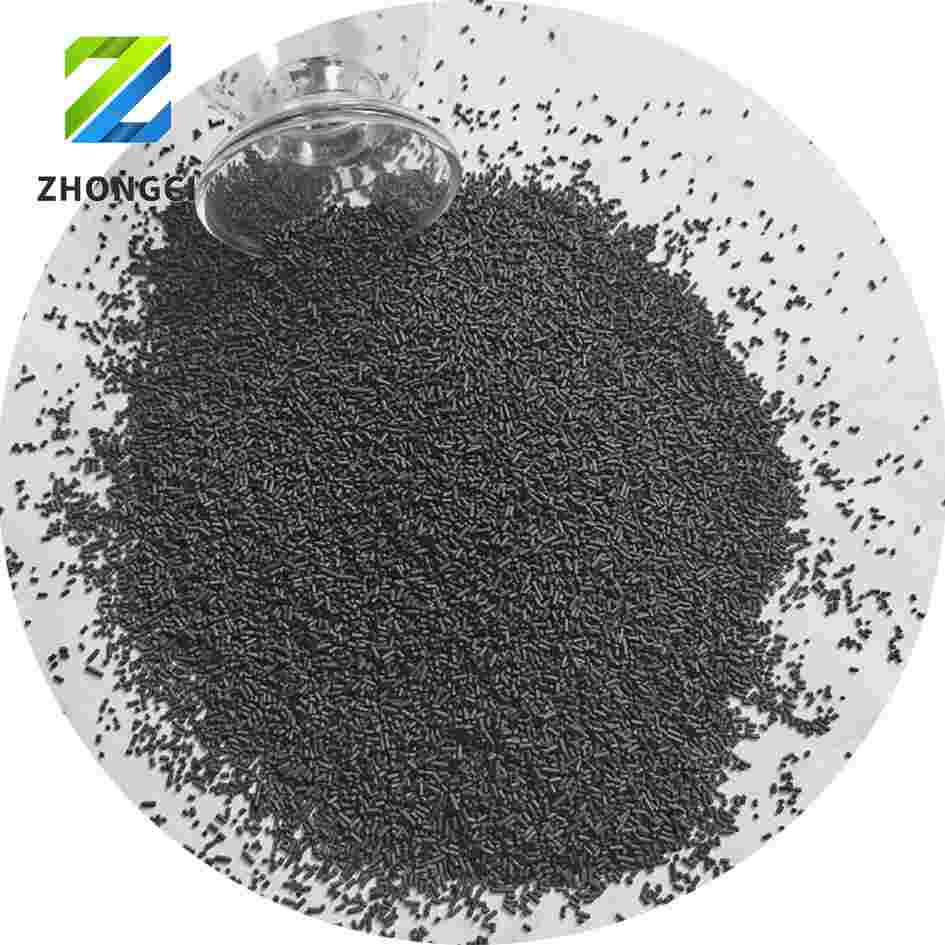
CMS-260 type carbon molecular sieve:
CMS-260 type is a new type of non-polar adsorbent, designed to extract nitrogen-rich gas from the air.
It is suitable for separating and producing nitrogen from the air. It has a high adsorption capacity for oxygen and can remove nitrogen from the air. separated.
CMS-260 carbon molecular sieve
The remarkable characteristics of this carbon molecular sieve are: high gas production efficiency and low air consumption,
especially the production of nitrogen with a purity of less than 99.5% to 99.9%. It is widely used in large-scale air separation nitrogen production equipment, and its application areas include coal mines, ships, oil storage and transportation, etc.
| Iterm | CMS-260 |
| Diameter | 1.0-1.3 1.3-1.5 |
| Bulk Density | ≥660kg/m³ |
| Grain strength | ≥95 |
| Resistance to compression wear | ≤1% |
| Moisture content | ≤0.5% |
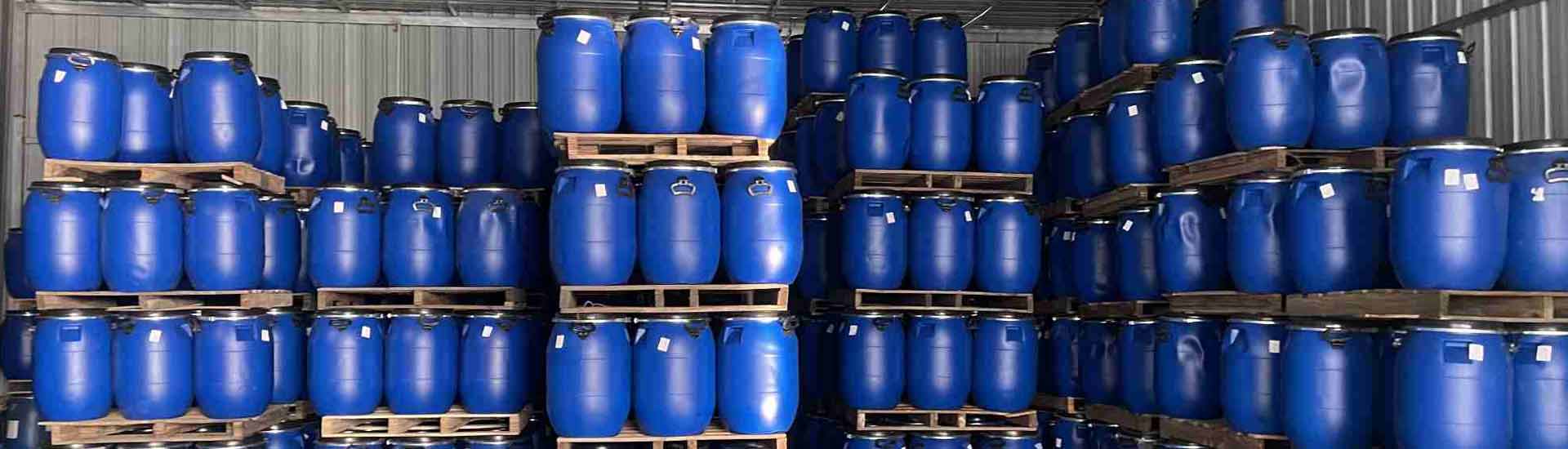
| Packing | 20Kg/Drum 40Kg/Drum 130Kg/Drum |
| Adsorbent pressure | Nitrogen purity
(%) |
Productive rate
(L/kgh) |
Air-nitrogen ratio | Nitrogen recovery rate |
| 0.7 MPa | 99 | 315 | 2.2 | 54 |
| 99.5 | 250 | 2.5 | 46 | |
| 99.9 | 190L | 3.2 | 37 | |
| 99.99 | 115 | 4.7 | 25 | |
| 0.8MPa | 99 | 350 | 2.3 | 53 |
| 99.5 | 275 | 2.5 | 46 | |
| 99.9 | 195 | 3.3 | 38 | |
| 99.99 | 120L | 4.7 | 25 |
(Note: Test conditions: adsorption time 40s, pressure equalization 1-2s)
Nitrogen Usage Areas:
1-) In ammonia synthesis
2-) In providing inert atmosphere in chemistry, textile, food, paint industry
3-) In the transfer of extremely flammable liquids under nitrogen pressure
4-) In the electronics industry, in the manufacture of light bulbs
5-) In the food industry, freezing of food and long-term storage and transportation.
6-) In nuclear reactors
7-) In the prevention of oxidation of edible oils
😎 Cleaning of tankers, pipelines and refineries
9-) In grain silos
10-) In providing controlled atmosphere in heat treatment furnaces
11-) In glass and steel production
12-) In the safety of coal mines and fire extinguishing
13-) Fermentation
14-) Packaging of food and sensitive objects
15-) In the propulsion of oil and gas wells
16-) Tissue freezing and storage
17-) Interlocking of metals
18-) As a coolant in molding, film extrusion and process equipment
19-) Recovery of process solvents
20-) As a chemical reagent and a reagent carrier
21-) Fire prevention in the warehouses of paper and paper products factories.
22-) Fire prevention in chemical warehouses.
23-) In military ammunition and fuel tanks.
24-) In pharmaceutical production factories.
2-) In providing inert atmosphere in chemistry, textile, food, paint industry
3-) In the transfer of extremely flammable liquids under nitrogen pressure
4-) In the electronics industry, in the manufacture of light bulbs
5-) In the food industry, freezing of food and long-term storage and transportation.
6-) In nuclear reactors
7-) In the prevention of oxidation of edible oils
😎 Cleaning of tankers, pipelines and refineries
9-) In grain silos
10-) In providing controlled atmosphere in heat treatment furnaces
11-) In glass and steel production
12-) In the safety of coal mines and fire extinguishing
13-) Fermentation
14-) Packaging of food and sensitive objects
15-) In the propulsion of oil and gas wells
16-) Tissue freezing and storage
17-) Interlocking of metals
18-) As a coolant in molding, film extrusion and process equipment
19-) Recovery of process solvents
20-) As a chemical reagent and a reagent carrier
21-) Fire prevention in the warehouses of paper and paper products factories.
22-) Fire prevention in chemical warehouses.
23-) In military ammunition and fuel tanks.
24-) In pharmaceutical production factories.
评价
目前还没有评价