

描述
Activated Alumina AAFS50: Specialized Adsorbent for Fluoride & Arsenic Removal
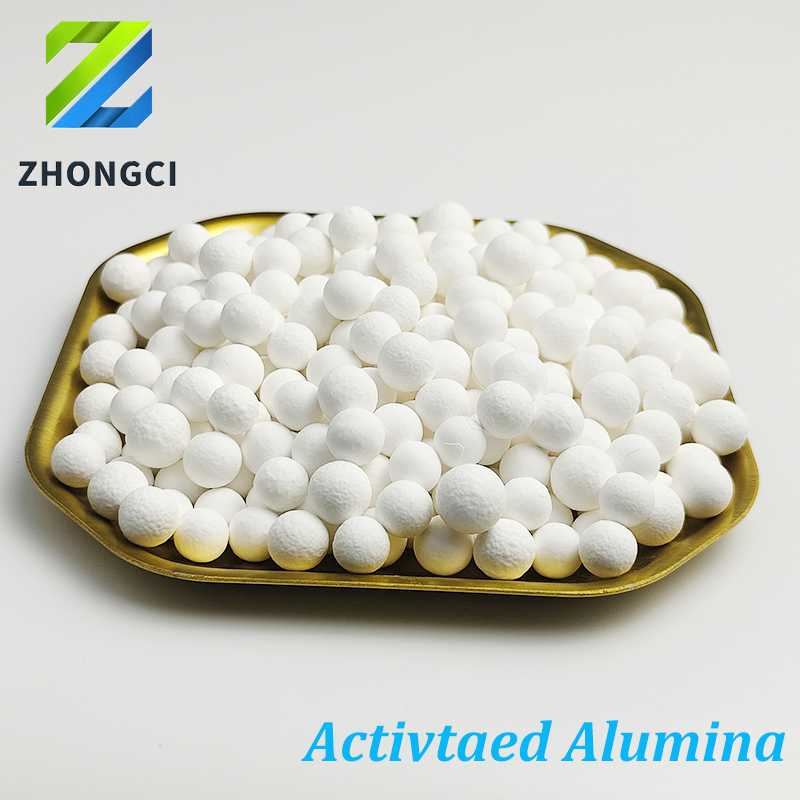
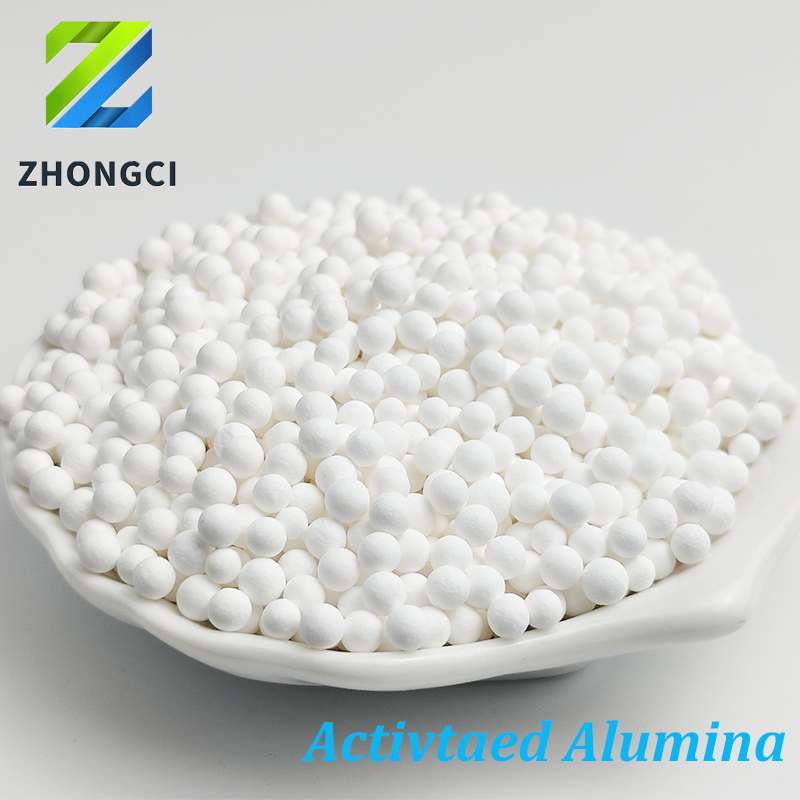
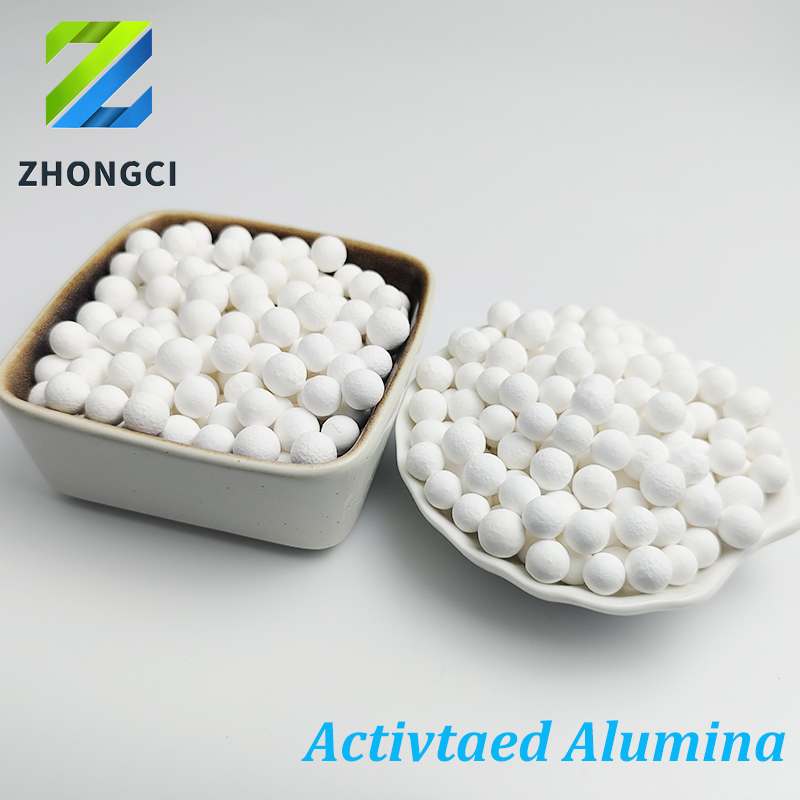
Introduction: Activated Alumina AAFS50 is a premium-grade, high-purity adsorbent specifically engineered for the effective removal of fluoride (F-) and arsenic (primarily as arsenate, As(V)) from contaminated water sources. Derived from aluminum oxide (Al₂O₃) and activated through controlled thermal dehydration, it possesses a highly porous structure with a vast surface area optimized for selective adsorption.
Mechanism of Action:
- Adsorption: The removal occurs primarily through surface adsorption.
- Ligand Exchange (Fluoride): Fluoride ions (F-) in water exchange with hydroxyl groups (OH-) present on the activated alumina surface. This ligand exchange mechanism is highly specific for anions like fluoride under appropriate conditions.
- Anion Exchange / Surface Complexation (Arsenic): Arsenate species (HAsO₄²⁻, H₂AsO₄⁻) are adsorbed onto the positively charged alumina surface (Al-OH₂⁺) through electrostatic attraction (anion exchange) and form inner-sphere complexes. Note: Arsenic removal is most effective for As(V); As(III) removal is significantly lower and often requires pre-oxidation.
- Physical Adsorption: The extensive internal pore structure also traps contaminants physically.
Key Features & Advantages of AAFS50:
- High Capacity: Engineered for superior adsorption capacity for both fluoride and arsenic compared to standard activated aluminas.
- Selectivity: Particularly effective for fluoride and arsenate anions.
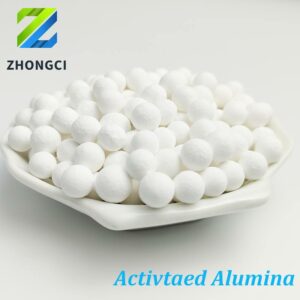
- Physical Properties: Typically spherical beads providing low pressure drop, high abrasion resistance, and excellent hydraulic characteristics in fixed-bed contactors.
- Regenerability: Can be regenerated multiple times using strong alkaline solutions (e.g., NaOH or Na₂CO₃) followed by acid neutralization, significantly lowering long-term operating costs.
- Stability: Chemically and physically stable under typical water treatment conditions.
- Certification: Often compliant with standards like NSF/ANSI 61 for drinking water system components.
Critical Operational Parameters:
- pH: Optimal adsorption occurs in a slightly acidic pH range, typically 5.0 to 6.0. Fluoride adsorption capacity decreases sharply above pH 7.0. Arsenic (V) adsorption is effective from pH ~4 to ~9, with peak capacity often around pH 5-7. Precise pH control via acid dosing is crucial for maximum efficiency.
- Contact Time: Sufficient empty bed contact time (EBCT) is required for contaminants to diffuse into the pores and adsorb. Typical EBCT ranges from 5 to 15+ minutes depending on influent concentration and target effluent levels.
- Influent Concentration: Higher influent concentrations lead to faster exhaustion of the adsorbent bed.
- Competing Anions: High concentrations of competing anions like sulfate (SO₄²⁻), chloride (Cl⁻), nitrate (NO₃⁻), bicarbonate (HCO₃⁻), and silica (SiO₂) can reduce the adsorption capacity for fluoride and arsenic by occupying active sites.
- Pre-treatment: Suspended solids, organics, oil, and grease can foul the alumina surface, reducing capacity. Pre-filtration (e.g., sand filter) is often necessary. For arsenic, pre-oxidation of As(III) to As(V) (using chlorine, permanganate, ozone, etc.) is essential for high removal efficiency.
Typical Applications:
- Drinking Water Treatment:
- Community water systems in regions with endemic fluorosis or high natural arsenic levels.
- Point-of-Entry (POE) / Point-of-Use (POU) treatment units for homes and small communities.
- Bottled water production.
- Schools and institutions.
- Industrial Process Water: Treating feed water or wastewater streams containing fluoride or arsenic.
- Groundwater Remediation: Treating contaminated groundwater plumes.
Important Considerations & Limitations:
- pH Sensitivity: Requires careful pH adjustment and monitoring.
- Regeneration Waste: Spent regenerant solutions containing high concentrations of fluoride and arsenic require safe disposal or further treatment.
- Capacity Reduction: Competitors like silica and sulfate can significantly reduce operating capacity.
- Aluminum Leaching: Trace amounts of aluminum may leach initially, especially after regeneration. Thorough rinsing is required post-regeneration. Product certified to NSF/ANSI 61 minimizes this concern.
- Limited Effectiveness on As(III): Requires pre-oxidation step for arsenic.
- Chromium Concerns: Some activated alumina grades may leach hexavalent chromium (Cr(VI)). AAFS50 should be specifically formulated and validated as low in leachable chromium, especially for drinking water use. Verification is essential.
Conclusion:
Activated Alumina AAFS50 is a proven, efficient, and regenerable adsorption technology specifically designed for the challenging task of removing fluoride and arsenic (particularly As(V)) from water supplies. Its selectivity, robust physical form, and regenerability make it a preferred choice for many centralized and decentralized water treatment applications globally. Successful implementation requires careful system design, precise control of pH and contact time, appropriate pre-treatment, and management of regeneration waste streams. When selected and operated correctly, AAFS50 provides a reliable solution for achieving safe drinking water standards concerning fluoride and arsenic contamination.
Typical AAFS50 Specifications (Illustrative – Confirm with Manufacturer):
| Property | Typical Value |
|---|---|
| Material | Activated Alumina (γ-Al₂O₃) |
| Form | Spherical Beads |
| Size (Mesh) | 28×48, 14×28 (or similar) |
| Bulk Density (g/ml) | ~0.70 – 0.75 |
| Surface Area (m²/g) | ~300 – 350 |
| Abrasion Loss (%) | < 1.0 (Max) |
| Moisture (%) | < 8.0 (as packed) |
| pH Stability Range | 4 – 10 |
| Primary Application | Fluoride & Arsenic(V) Removal |
| Certification | NSF/ANSI 61 (typically) |

评价
目前还没有评价